Sweden: A Country Where Simplicity Becomes Luxury
By: Adriatic Traveller
Photography: Peter Kvarnstrom, Klara Hammerth, Per Pixel Petersson, House of Vision, Bildbyrån / Mediabank Göteborg & Co
Part One of the Feature
ome countries are remembered for their monumental buildings, bustling squares, and landmarks that we recognize even before seeing them for the first time. Sweden leaves a different impression. It does not try to attract attention with spectacle, but rather captivates with the way cities, nature, and everyday life are interconnected here. Within the first few hours of travel, one notices the absence of typical urban tension: traffic appears organized, public spaces feel airy, and people seem to have enough time for both obligations and themselves. It's not that life moves slower here, but rather that it feels more deliberate. Our journey did not cover all of Sweden – we explored its southwestern part through two cities of distinct character: Gothenburg, a maritime and industrial city focused on innovation, culture, and its islands, and Malmö, a more relaxed city in the very south of the country, close enough to Denmark for its presence to be felt, yet self-aware enough to retain its own identity. It was only a part of the country, but sufficient to understand why Sweden is remembered not just for what we saw, but primarily for how we felt there.
GOTHENBURG
A City Where the Sea Dictates the Rhythm of Life
It is not difficult to understand why residents often refer to Gothenburg as the most relaxed large city in Sweden.
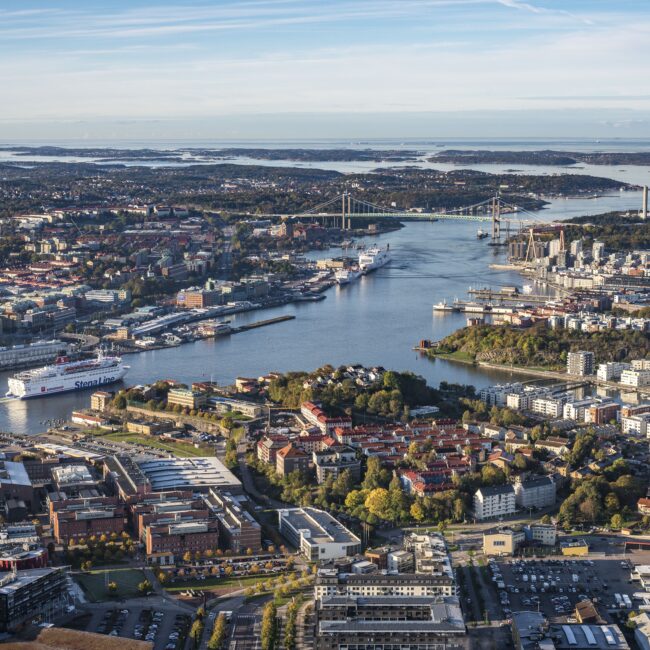
Although it is the second-largest city in the country, its pace leaves a completely different impression than what is usually associated with large urban centers. Instead of hustle and bustle, wide avenues, parks, canals, and a constant connection to the sea dominate here. The city developed as an important port to the North Sea, and it is precisely this maritime tradition that shaped its character – open, practical, and outward-looking.
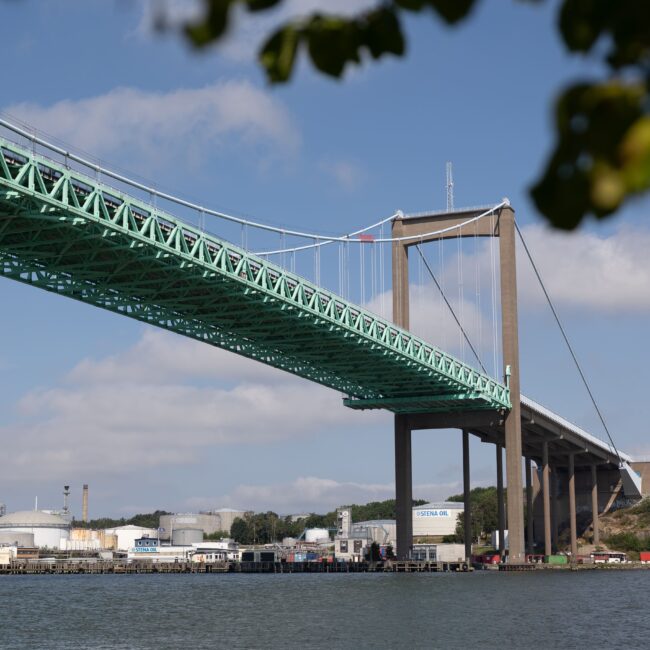
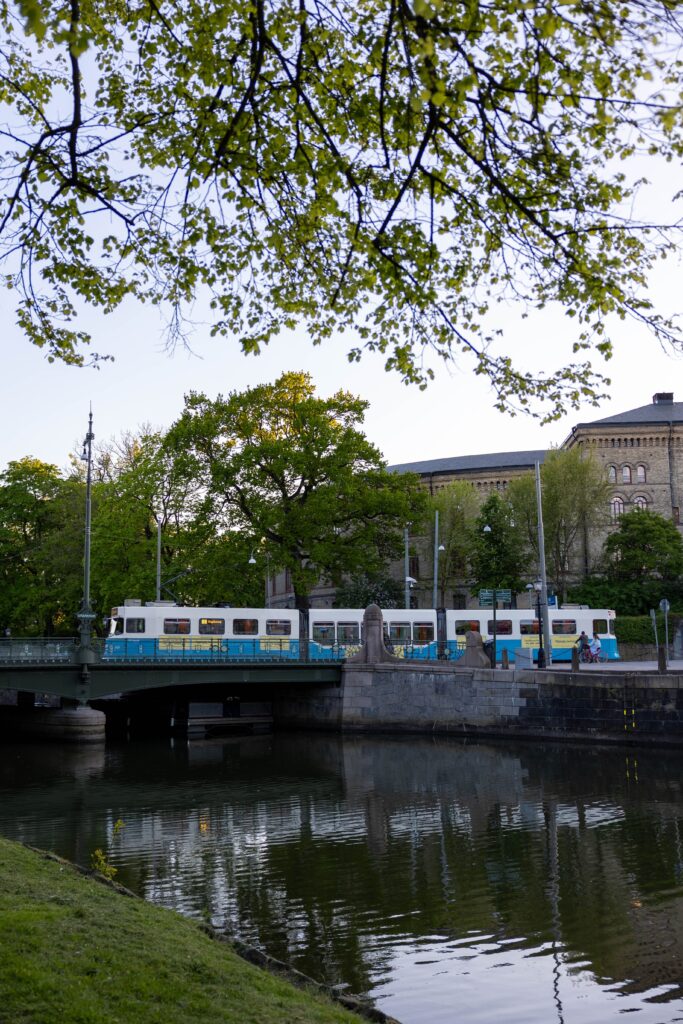
At every turn, one feels that Gothenburg is not a city that tries to impress with its size, but rather with its quality of life. Trams pass almost silently through the streets, cyclists play an equally important role as cars, and a stroll along the canals or through city parks is a natural part of daily life. There is no need to seek a balance between urban and natural environments here, as it already exists.
Haga – A District Where Time Has Slowed Down
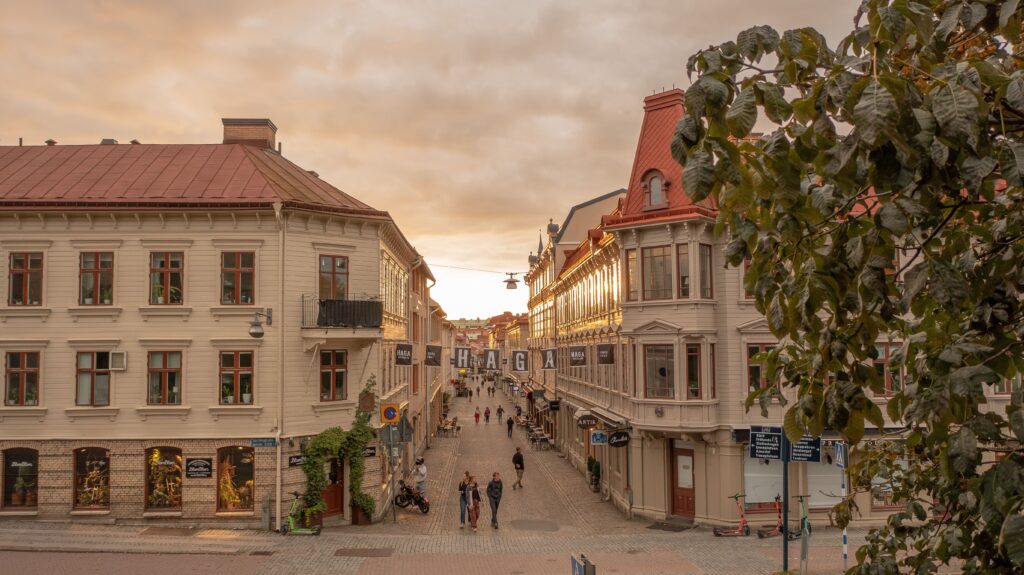
If there is one place that best preserves the spirit of old Gothenburg, it is Haga. Once a working-class district, today it is one of the city’s most vibrant areas, known for its cobblestone streets, colorful wooden houses, and numerous small shops, galleries, and cafes.
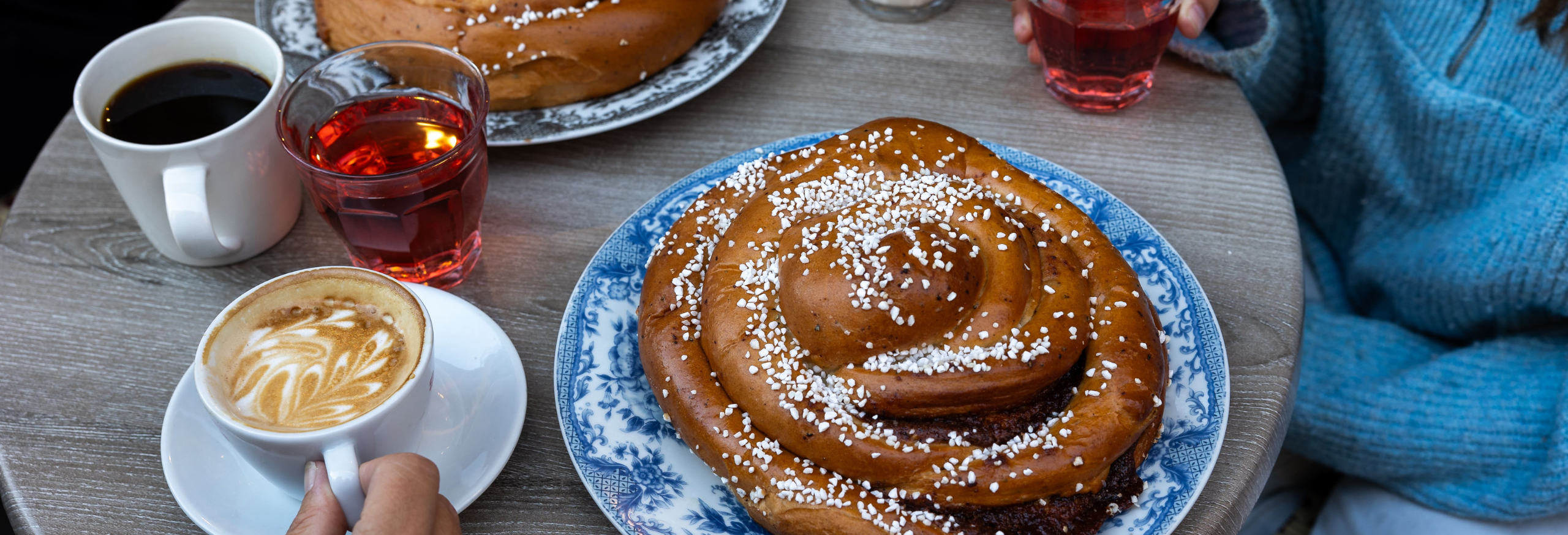
Although it has undergone renovation in recent decades, Haga has not lost its identity. On the contrary – it has managed to preserve an atmosphere that makes it equally popular with city residents and visitors. The scent of freshly baked pastries, terraces full of people, and relaxed conversations over traditional fika create a feeling that time moves a little slower here than in the rest of the city.
A City Best Explored on Foot
Gothenburg is not a city where you need to rush from one landmark to another. Its greatest value lies precisely between them. A walk along the canals, crossing numerous bridges, or a short stop in one of the city parks often leave as strong an impression as the most famous attractions.
The city’s trams, one of Gothenburg’s symbols, play a special role. Their network connects almost all parts of the city and allows for easy movement without a car. Thanks to the well-organized public transport, the city feels accessible and easy to understand even for first-time visitors.
Archipelago at the City’s Doorstep
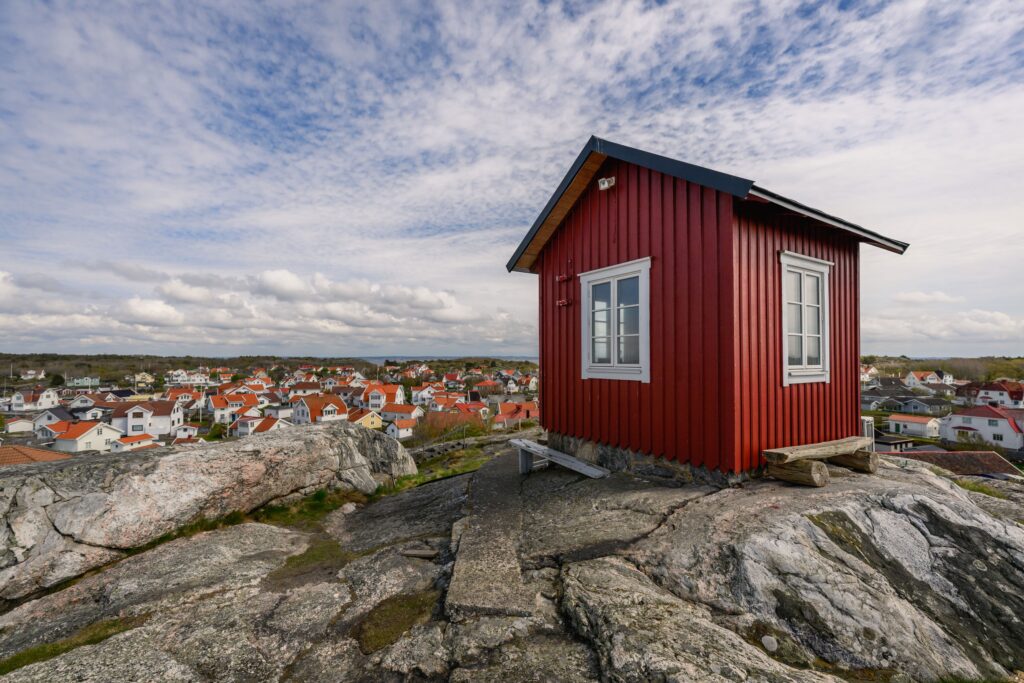
Gothenburg’s uniqueness does not end in its streets and canals. Immediately off the city’s coast lies the Gothenburg archipelago – a world of rocky islands, small fishing villages, wooden houses, and quiet coves that reveals a completely different side of this part of Sweden. The archipelago is divided into northern and southern parts, and numerous islands are close enough to the city to be reached by ferry for a day trip.
Particularly interesting are the islands of the southern archipelago, including Styrsö, Donsö, Vrångö, and Brännö, where car traffic almost entirely gives way to pedestrians, bicycles, and small local transport vehicles.
It is precisely this proximity of the archipelago that further explains Gothenburg’s special character. A short ferry ride is enough to replace city streets with the open sea and island tranquility, which almost completely blurs the line between city life and life close to nature here.
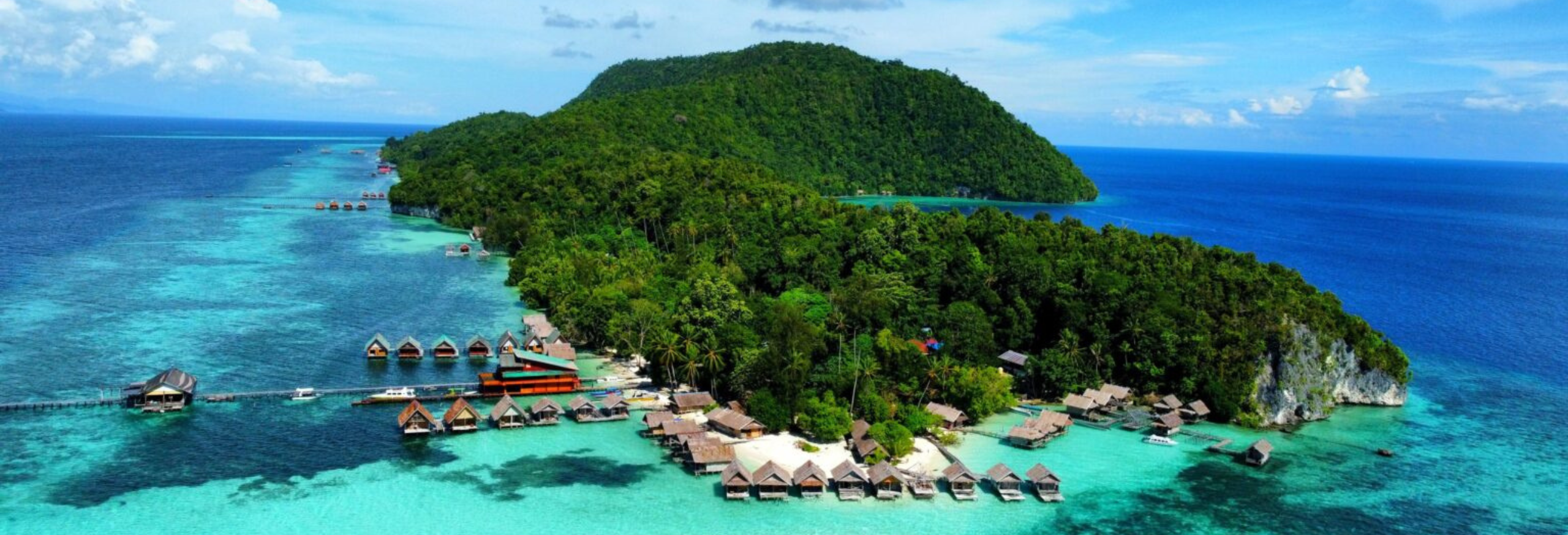
Photos: Miha Gutman, Text: Damjan Gutman R Raja Ampat has long been at the very top of our wish list
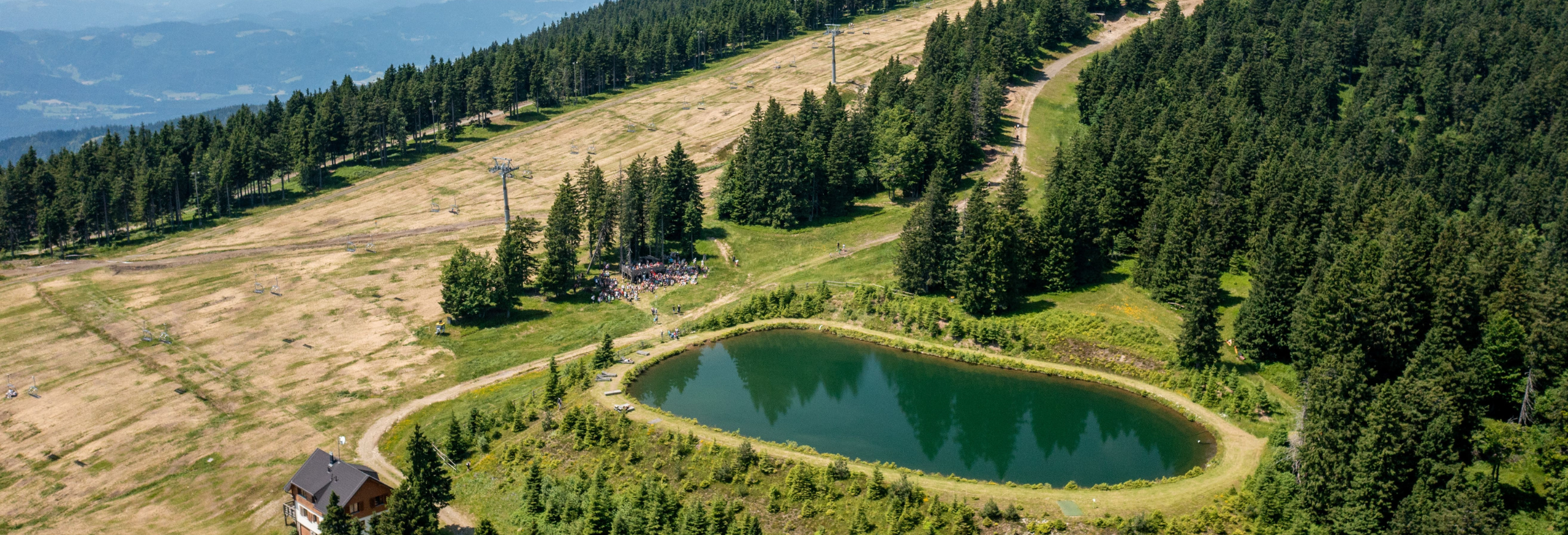
Photography: Kope Mountain Resort I n the western part of Pohorje, nature unfolds into expansive mou
Photos: Soča Fun Park T he Soča Fun Park is designed for everyone looking for fun, activity and sp